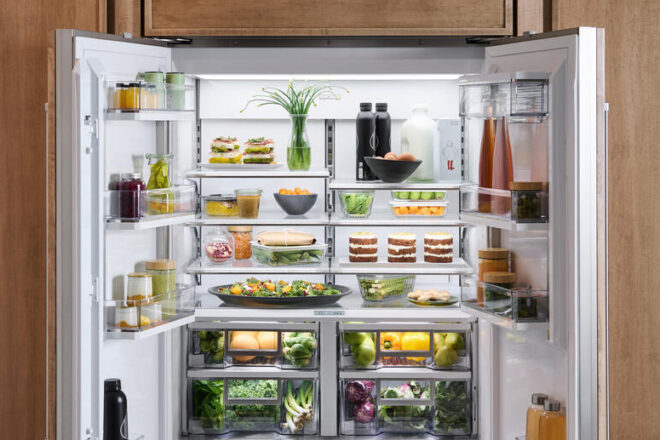
7 Refrigerator Organization Tricks to Keep Food Fresher
Discover how to organize a refrigerator the right way with 7 tricks that help keep your food fresher longer, reduce waste, and maximize space.
Keeping your refrigerator tidy isn’t just about appearances, especially when you take into account the recent spike in grocery prices. The steps you take as you begin putting away the food you just purchased directly affects how long it lasts, how much energy your fridge uses, and even how often you end up throwing out these same items. If you’ve ever found wilted lettuce in the back corner or forgotten leftovers gone bad, this guide is for you. Here’s how to organize a refrigerator with 7 easy-to-implement tips that help keep food fresher, longer.
1. Know Your Fridge Zones
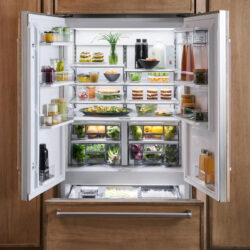
Most refrigerators are designed with different temperature zones.
- Top shelves: Consistent temperature – ideal for leftovers, drinks, and ready-to-eat foods.
- Middle shelves: Best for dairy products like milk, cheese, and yogurt.
- Lower shelves: Coldest part – perfect for storing meats (in a container to prevent drips).
- Crisper drawers: High or low humidity settings help keep fruits and vegetables fresh.
- Door: Warmest area – store condiments, juices, and items with preservatives here.
Pro Tip: Avoid storing milk in the door—it spoils faster there.
2. Use Clear Storage Bins
Group similar items (e.g., snacks, sandwich toppings, salad fixings) into clear bins. This helps you:
- See what you have
- Reduce duplicate purchases
- Contain messes from leaks or spills
Label each bin to make grabbing what you need faster and family-friendly.
3. Create a First In, First Out (FIFO) System
Organize items so older ones are in front and newer ones go in back. This simple rotation system helps make sure the oldest items are used before they expire, with the newer items then taking their place.
You can even create a dedicated bin for items that are closer to their expiration dates, allowing you to make sure those are used first.
4. Avoid Overcrowding
Air needs to circulate to keep temperatures even. An overstuffed fridge works harder, leading to inconsistent cooling and potential spoilage. Aim for 70–80% full.
5. Store Fruits and Vegetables Separately
Use your crisper drawers properly:
- Low humidity drawer: Best for fruits.
- High humidity drawer: Best for leafy greens and vegetables.
Separating them prevents ethylene-producing fruits (like apples) from wilting nearby vegetables.
6. Use a Lazy Susan for Condiments
If you’ve ever knocked over sauces trying to find the mustard, this applies to you. Add a rotating tray (lazy Susan) to a shelf or door bin to keep smaller items organized and accessible.
7. Wipe Down Weekly
Dedicate 5 minutes each week to:
- Toss expired items
- Wipe up spills, or simply clean dirty shelves.
- Reset organization if needed
This keeps bacteria at bay and prevents lingering smells which could impact otherwise fresh items.
Final Thoughts
Mastering how to organize a refrigerator isn’t just a Pinterest-worthy goal—it’s a practical way to save money, cut food waste, and keep your household running smoothly. With these 7 fridge organization tips, you’ll enjoy fresher produce, less spoilage, and a more functional kitchen every day.